 admin
admin Dupuytren’s and Radiotherapy: Weighing the Pros and Cons of Early Intervention
Dupuytren’s contracture is a progressive condition characterized by the thickening and tightening of connective tissue in the palm. Over time, nodules and cords may form, eventually pulling one or more fingers into a bent position. While surgery and enzyme-based injections remain standard treatments once contracture occurs, there is growing interest in low-dose Radiotherapy as an early-stage intervention—particularly when the disease is still limited to soft, palpable nodules.
Radiotherapy for Dupuytren’s is not new; it has been used in Europe for several decades. In recent years, however, more patients and clinicians have revisited the approach as a way to slow or halt progression before the fingers become stiff. Although the research remains limited and many questions are unanswered, radiotherapy offers a unique non-surgical option for people who catch the disease early.
How Radiotherapy Works
Dupuytren’s disease is driven by overactive fibroblasts—cells responsible for producing collagen. When these fibroblasts multiply excessively, they form the nodules and fibrous cords that eventually restrict finger extension. Radiotherapy is thought to work by reducing fibroblast activity, thereby slowing the process of fibrosis.
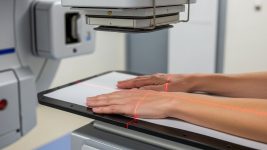
Typical treatment protocols involve 30 Gray (Gy) of radiation delivered in two rounds:
-
5 sessions on consecutive days
-
A 6–12 week break
-
5 additional sessions
This schedule exposes the fibroblasts to controlled low-dose radiation, ideally interfering with their overproduction of collagen.
Potential Benefits of Radiotherapy
For patients in the early, active phase—often marked by tender or growing nodules—radiotherapy may offer several advantages.
1. Slowing Disease Progression
Some studies report that radiotherapy helps stabilize or soften nodules, potentially delaying the formation of cords. While results vary, a portion of patients experience a noticeable reduction in pain, tension, or swelling within the palm.
2. Non-Surgical and Minimally Invasive
Because the therapy does not involve incisions or injections, recovery is minimal. Many patients resume normal activity immediately, making this approach appealing for people seeking a low-impact option.
3. Keeps Future Treatment Options Open
Radiotherapy does not prevent surgical intervention or enzyme injection later on. If the disease progresses, patients can still choose needle aponeurotomy, collagenase injections, or fasciectomy.
4. Generally Mild Side Effects
Acute side effects tend to be limited to the skin and usually temporary. Common reactions include:
-
Mild dryness
-
Redness
-
Peeling
-
Darkening or lightening of the treated skin
Serious complications are rare when the procedure is done in experienced centers.
Limitations and Potential Drawbacks
Despite promising reports, radiotherapy is not universally recommended, and several limitations must be considered.
1. Best for Early Stages Only
Radiotherapy shows little to no benefit for individuals with fixed contractures or long-established cords. Once the fingers can no longer straighten fully, other interventions are more appropriate.
2. Evidence Remains Limited
Much of the data on radiotherapy for Dupuytren’s comes from:
-
Small sample sizes
-
Retrospective studies
-
European clinical experience
Large, randomized trials are still lacking, making long-term effectiveness and recurrence patterns difficult to predict.
3. Long-Term Risks Are Still Being Studied
While low-dose radiotherapy is considered safe, long-term risks—such as cumulative radiation exposure—continue to be evaluated. For most patients, the doses used are low enough that these risks remain theoretical rather than documented.
4. Requires Specialized Expertise
Not all radiotherapy centers treat Dupuytren’s disease. Patients may need to travel to clinics with experience in musculoskeletal or benign soft-tissue radiotherapy to ensure accurate dosing and safe technique.
Key Takeaways
-
Early intervention matters: Radiotherapy is most effective in the nodular stage, before contracture develops.
-
Side effects are mild: Skin changes are usually temporary and manageable.
-
Not a standalone cure: Future injections or surgery remain viable options.
-
Evidence is limited: More robust research is needed to define long-term outcomes.
-
Choose experienced providers: Proper technique improves safety and results.
Call to Action: Connect with our Dupuytren’s community for support and real-world tips: https://www.facebook.com/groups/dupuytrenssolutionsandhealth. Discover my journey in my new book Dupuytren’s Solutions and find out about all treatments to date — conventional, alternative, root-cause therapies, and remission strategies — at https://www.dupuytrenssolutions.com.
Attribution: This summary is independently written based on findings reported in J Hand Surg Eur. 2017; 42(5): 481–489. For the complete article, read on PubMed Central: https://www.ncbi.nlm.nih.gov/pmc/articles/. See PMC page for full reference list.
Legal & Medical Disclaimer: This content is for informational and educational purposes only and is not a substitute for professional medical advice, diagnosis, or treatment. Always consult your healthcare provider about any medical concerns or treatment options. Dupuytren’s Solutions is an educational resource meant to be used alongside, not instead of, professional medical care, and individual results may vary.